
Sermons from November 2025
Sanctified Steps for Saints | 1 Thessalonians 4:1-12 | Brent Smith
In this passage, Paul exhorts the Thessalonian church to live in a way that distinguishes them from the surrounding culture, emphasizing the need for holy living and love as key indicators of their identity in Christ. This provides a great witness to the world around them.
Overflow of Joy and Outflow of Love | 1 Thessalonians 3:9-13 | Brent Smith
In this passage, Paul expresses his deep gratitude and joy for the Thessalonian church, highlighting his concern for their faith in the face of adversity. He prays earnestly for their growth and unity, emphasizing the importance of love and holiness in their relationship with God and each other.
David vs. Goliath: The Battle Belongs to The Lord | 1 Samuel 17 | Brent Smith
The encounter between David and Goliath illustrates the stark contrast between faith and fear, showcasing how David’s trust in God allowed him to confront and conquer a seemingly unbeatable foe, encapsulating the reality of divine victory for the humble and faithful.
Standing Firm in Faith | 1 Thessalonians 3:1-8 | Brent Smith
In this passage, Paul expresses his deep concern for the Thessalonian believers, highlighting the importance of their faith amidst trials. He shares how he sent Timothy to strengthen and encourage them, longing to hear about their faith and if they’re standing strong in the Lord.
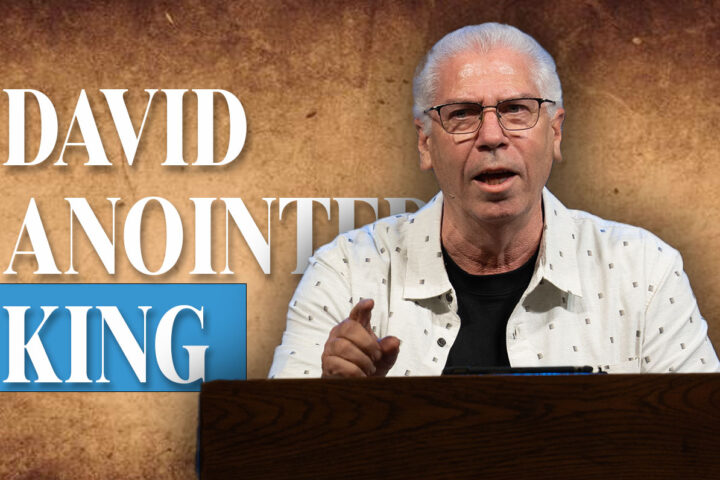
David Anointed King | 1 Samuel 16 | Randy Dyck
In 1 Samuel 16, God instructs the prophet Samuel to anoint a new king in Bethlehem, choosing one of Jesse’s sons. Samuel first mistakenly believes Jesse’s eldest son, Eliab, is the chosen one, but God reveals his choice is based on the heart, not appearance, rejecting Jesse’s first seven sons. Finally, David, the youngest son, is called in from the fields and anointed king, after which the Spirit of the Lord comes upon him. Simultaneously, a harmful spirit begins to…

Reception and Opposition to the Message | 1 Thessalonians 2:13-20 | Stewart Karpiuk
In 1 Thessalonians 2:13-20, Paul expresses deep gratitude for the Thessalonians’ genuine reception of his message, which they accepted as God’s word, not man’s. He thanks God because this word was actively at work in them, causing them to follow the example of other believers. Paul explains that his hardship and temporary separation from them are a source of hope and joy, because they are his glory and he eagerly desires to see them again.